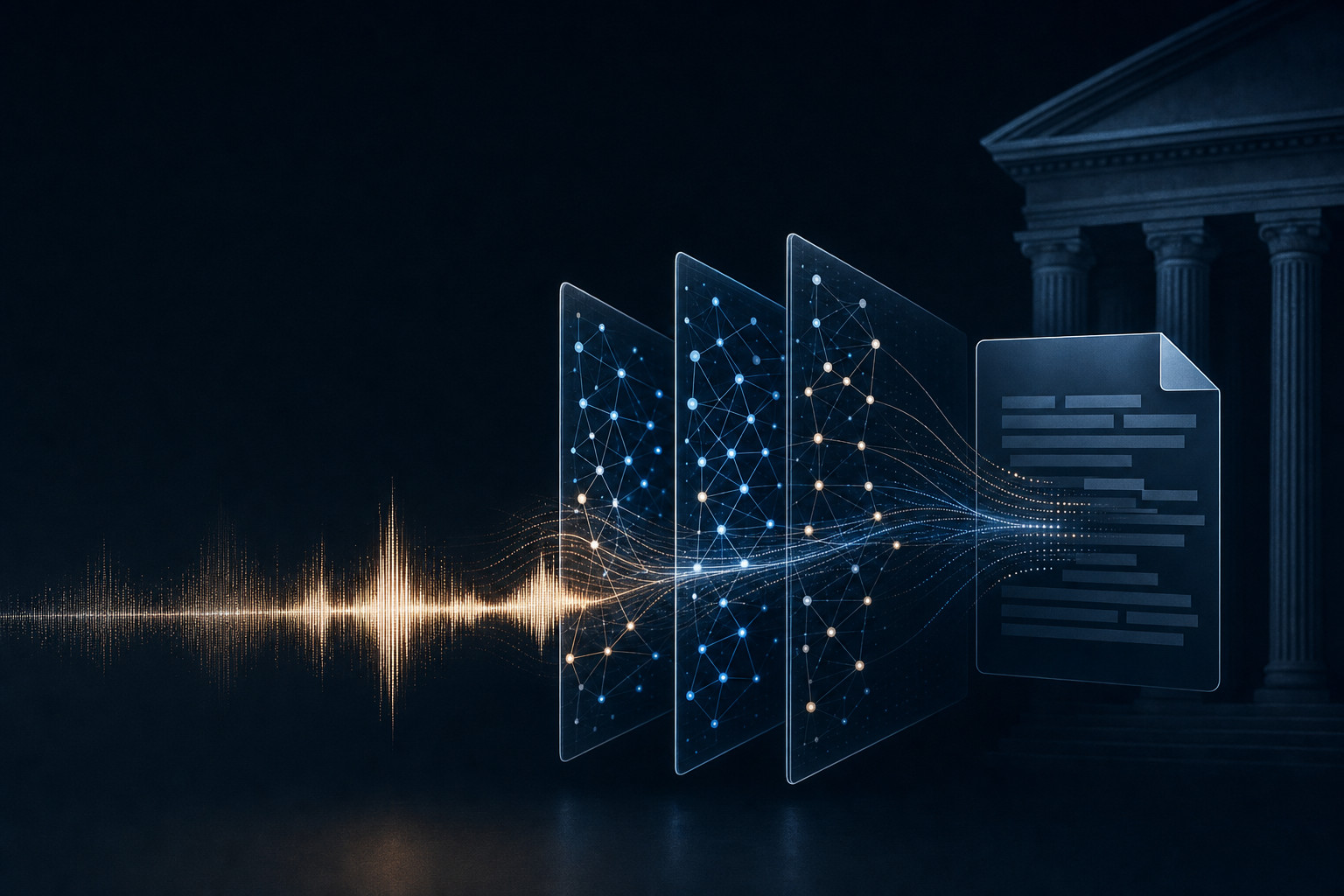
Anthropic says supported Claude models will add machine-readable provenance signals to content they process, using imperceptible embedded watermarks for text and signed C2PA provenance metadata for supported files.
What a detected signal means
The company’s policy does not mean a detected mark proves Claude authored all of the underlying material. Anthropic says content may be marked after Claude proofreads, translates, summarizes, edits or converts human-originated text or data.
Coverage and rollout
The rollout is described as worldwide for supported models and is linked to the EU AI Act’s Article 50 transparency framework. Coverage remains dependent on the model, platform, feature and file type: older Claude models are in a transition period, and signed file metadata may not be available across every cloud platform.
Detection details remain undisclosed
Anthropic has not publicly detailed its text-watermark detection method, accuracy, false-positive or false-negative rates, or the minimum passage length needed for reliable detection. The company has said further documentation and user and third-party tools are forthcoming.