Anthropic unveiled office tools for non-technical knowledge workers at a San Francisco event on November 10, 2026, extending Claude into meetings, spreadsheets and collaborative planning. The announcement includes Claude Meetings, Sheets and Whiteboards, although published information does not consistently establish when customers can start using the meeting assistant. (The Verge)
Reuters reports that Meetings is launching in beta for Team and Enterprise customers, initially through Google Meet. Anthropic’s own November 10 product announcement, however, describes Meetings as “coming soon.” That discrepancy leaves immediate access unresolved; buyers should not treat the reported beta eligibility as confirmation that the feature is available in their accounts. (Reuters via Investing.com)
What is available
The Verge reports that Sheets and Whiteboards are in beta for all paid plans, while Claude Data, previously called Claude Dashboards, is generally available to paid subscribers. Anthropic’s Whiteboards help page independently confirms paid-plan beta access for that product. These statuses should be distinguished from the unresolved timing for Meetings. (The Verge)
The products address different parts of office work. Sheets supports building and editing spreadsheets alongside Claude. Whiteboards provides a shared space for organizing ideas, while Data connects business information to dashboards. Anthropic presents the combination as a way to carry work between formats rather than repeatedly explain the same project in separate conversations. (Anthropic)
The reviewed material does not establish a verified Meetings price or complete usage allowances. Nor does the reported Google Meet integration establish support for other conferencing services: Reuters describes expansion to other meeting platforms as a company plan, not existing availability. Those distinctions matter when assessing whether a subscription meets a team’s requirements. (Reuters via Investing.com)
Work during the conversation
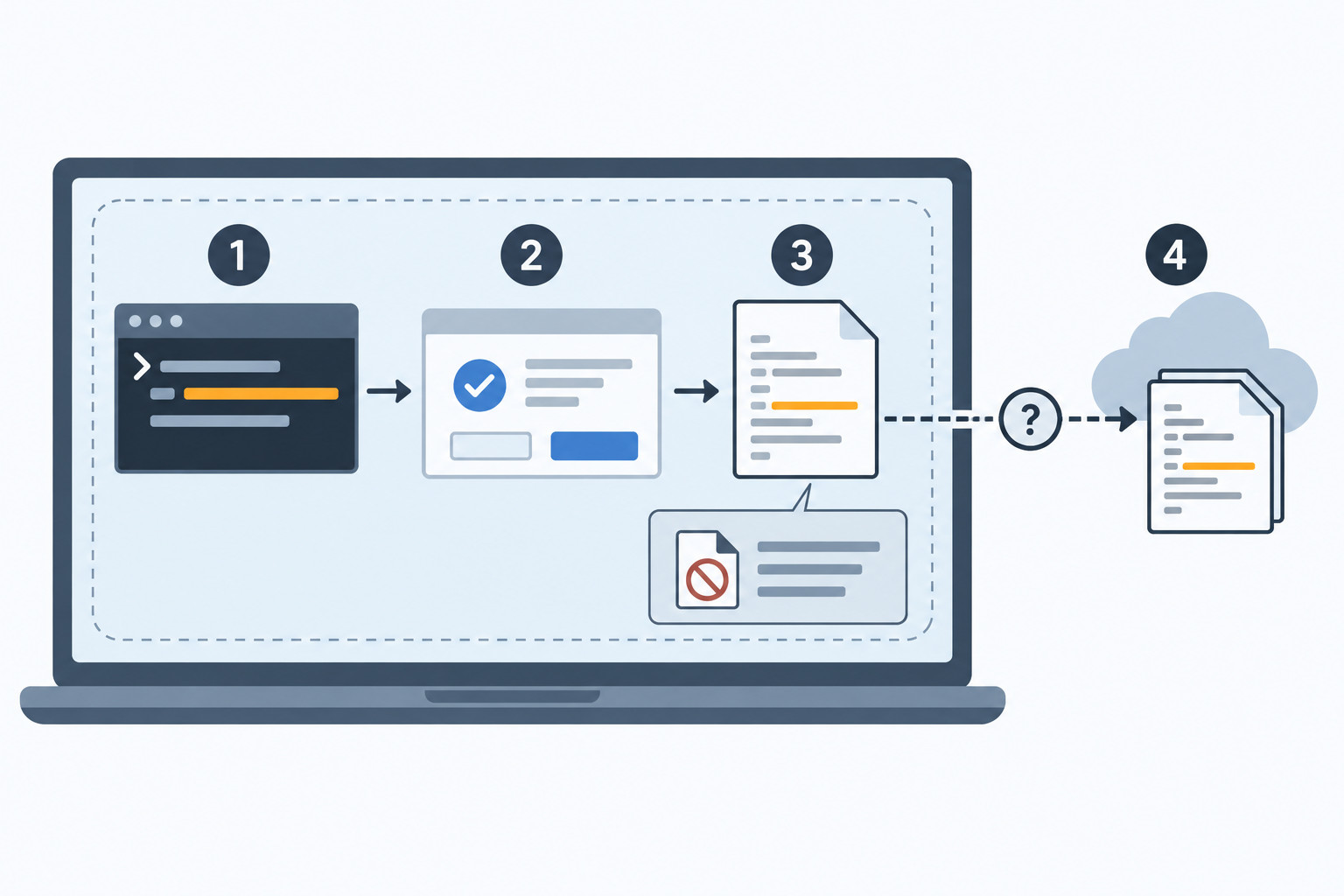
Anthropic’s proposed meeting workflow goes beyond producing a summary afterward. According to the company’s description reported by Reuters, Claude would join as a visible participant, follow the discussion, draft plans, create timelines and answer questions in the meeting chat while people are still talking. (Reuters via Investing.com)
Launch coverage also describes retrieving information from connected workplace apps, such as prior-year figures. Notes, action items and materials created during the call would subsequently be accessible in Claude. These are reported product capabilities, not independently tested results; the available reporting does not establish their accuracy or reliability across ordinary workplace meetings. (TechRadar via Yahoo)
The intended benefit is a shorter gap between discussion and a usable first draft. But a draft plan is not necessarily an agreed plan. For evaluation purposes, teams would need to distinguish suggestions from decisions and check whether generated timelines and assignments accurately reflect what participants intended. That is an assessment criterion, not a claim that Claude enforces an approval process.
Permissions and meeting data remain separate questions
Anthropic’s broader announcement says Claude operates within users’ existing permissions when working with connected tools. That is relevant to workplace information access, but it does not, by itself, establish who can view material produced from a meeting or how long that material remains stored. General connector assurances should not be treated as meeting-specific guarantees. (Anthropic)
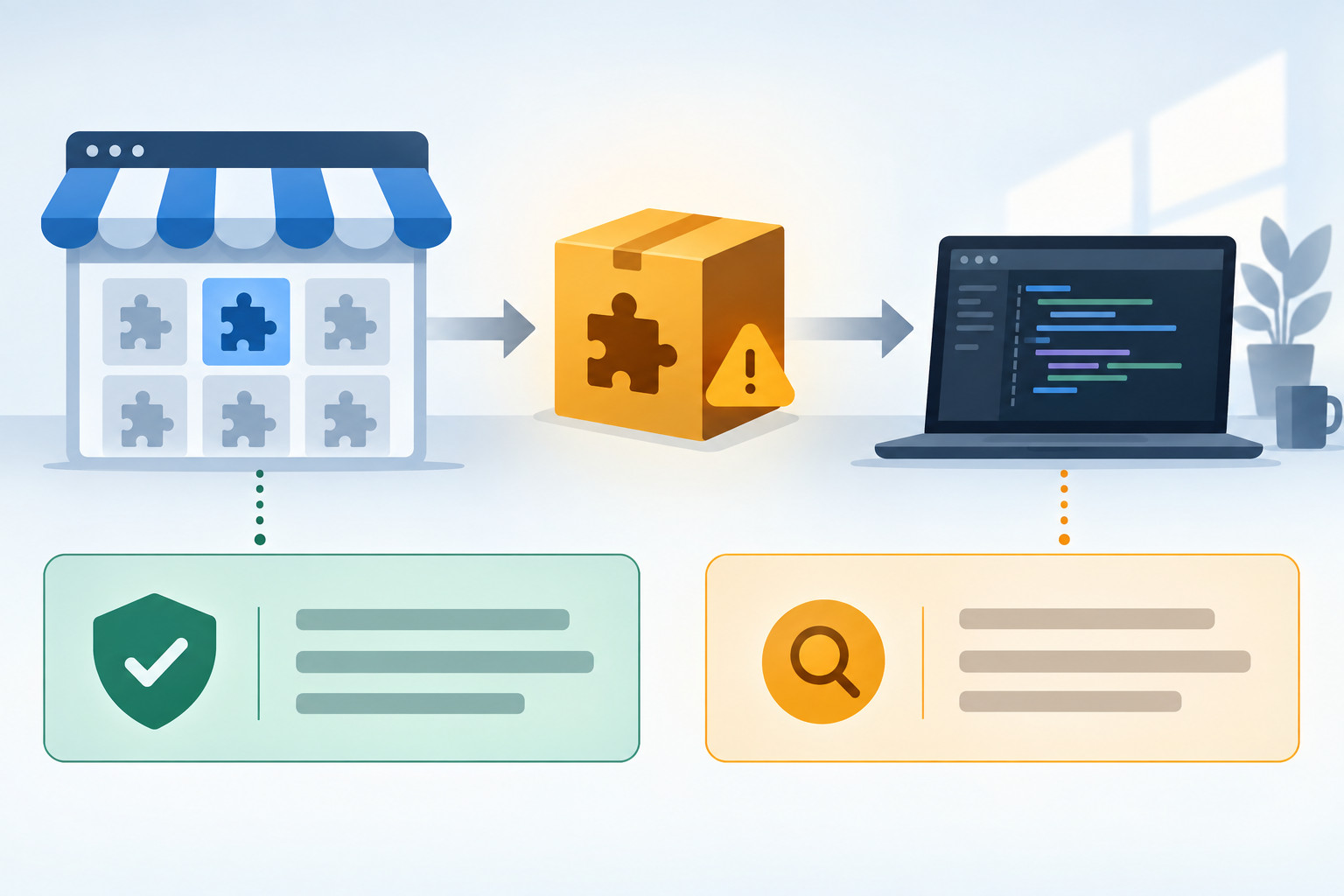
Verification for this article did not establish a complete, authoritative account of Meetings retention, deletion, participant access or approval requirements for actions involving connected apps. Those points remain unresolved rather than confirmed absent. The distinction is important: incomplete documentation is not evidence that a safeguard does not exist, but it is insufficient to describe that safeguard as verified.
For enterprise buyers, the practical question is therefore broader than whether Claude can retrieve a figure or draft a task. Evaluation should also ask whether information appropriate for one participant can safely appear in shared output, and who is responsible for reviewing that output before it becomes an operational commitment.
A broader shift in meeting software
Anthropic is not alone in moving assistants into live collaboration. Microsoft’s Facilitator documentation lists collaborative real-time notes, meeting questions and answers, and Word document creation during or after meetings among its generally available capabilities. It separately identifies task tracking through Planner as a preview feature. (Microsoft)
That comparison shows why feature availability and governance deserve separate scrutiny. Microsoft’s documentation also identifies limitations affecting generated meeting notes, including that they do not automatically inherit a meeting’s sensitivity label. This is a Microsoft-specific limitation, not evidence about Claude, but it illustrates the need to examine generated outputs separately from the meeting itself. (Microsoft)
Anthropic’s announcement establishes a broader ambition to bring Claude into shared knowledge work. It does not yet resolve the immediate Meetings access question: the official announcement’s coming-soon language conflicts with launch coverage describing a beta. Until that discrepancy and the meeting-specific commercial and data controls are clarified, the announced workflow remains easier to describe than to evaluate for deployment. (Anthropic)