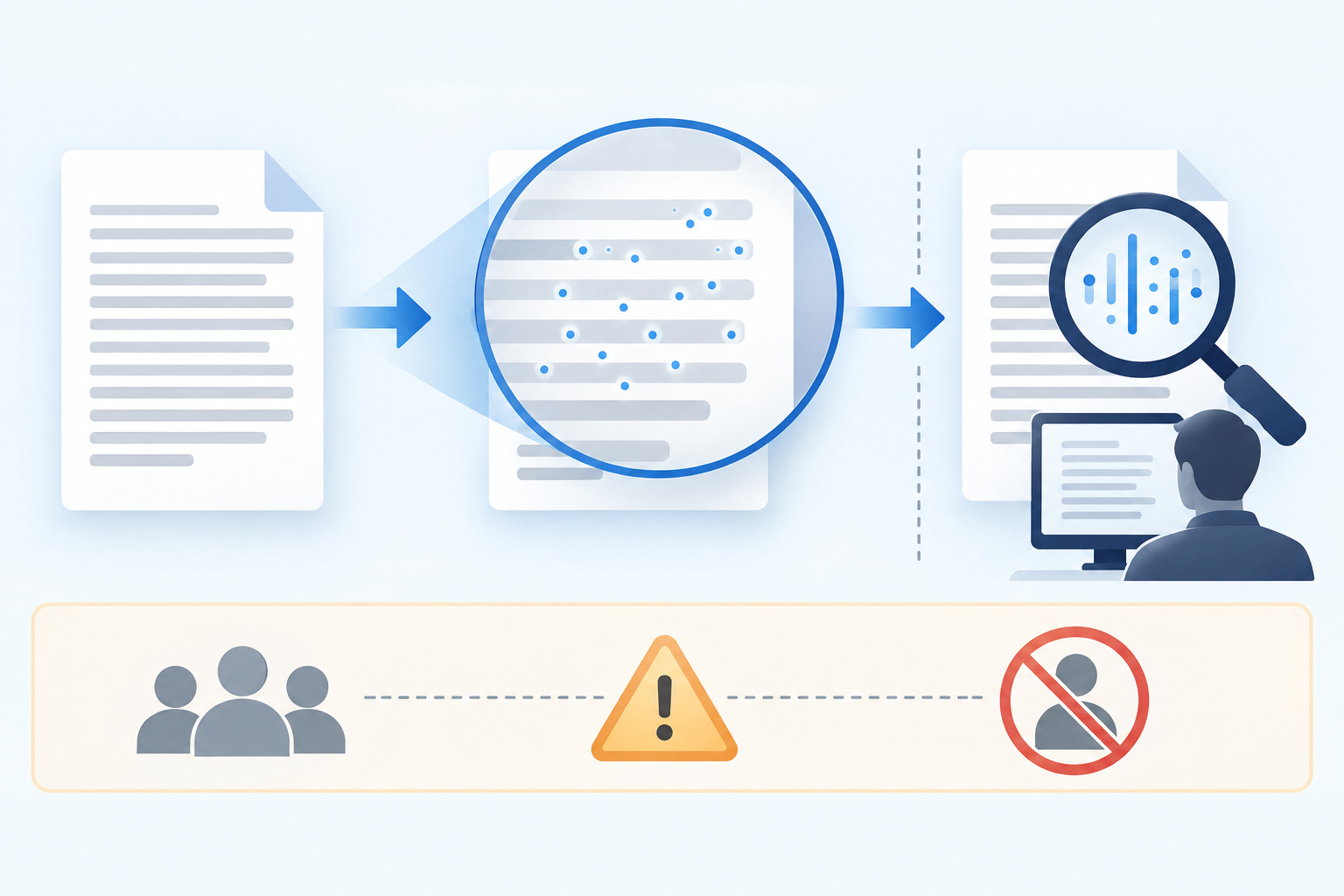
Walmart announced plans on October 21 to let customers authorize AI agents to shop on their behalf, with dedicated Agent Profiles scheduled to roll out in November 2026. The initiative combines purchase approvals, customer-set spending limits and rules governing what agents can do and what information they can access. It is a planned rollout, not an announcement of general availability. (Walmart)
The central safeguard is that customers must approve agent purchases by default. Shoppers will be able to permit purchases within a budget they choose, but Walmart reserves the ability to require additional approval even when a transaction falls within that allowance. A spending limit therefore will not amount to an unconditional authorization to complete every qualifying purchase. (Walmart)
What customers would control
Agent Profiles are intended to give each authorized agent a separate identity inside a customer’s account. Shoppers will be able to distinguish purchases made by an agent from those they make themselves, creating a clearer record of delegated shopping rather than combining all activity into an undifferentiated purchase history. (Walmart)
According to TechCrunch’s reporting, a profile will be created when a particular agent first shops through Walmart’s Agent Gateway. The customer authorizes and links that profile to their Walmart account, then sets its controls or spending limits. Customers will also be able to delete an Agent Profile at any time. (TechCrunch)
TechCrunch reports that the planned support is intended for people with a Walmart account and will not require a Walmart+ membership. The broader initiative also includes Sam’s Club, although the supplied announcement reporting does not establish a separate launch schedule for that service. November is the stated rollout month for Agent Profiles; no exact launch day has been provided. (TechCrunch)
These controls concern actual transactions, not simply product suggestions. The distinction matters because a shopper would be delegating authority to buy, while retaining ways to limit that authority and identify the resulting purchases. The announced design separates permission to use an agent from permission for that agent to spend without transaction-by-transaction confirmation. (Walmart)
Rules for agents and their developers
The technical connection is the Agent Gateway, described in the reporting as an MCP-based server through which approved agents can search Walmart’s online inventory and make purchases for users. For developers, the intended integration is therefore a route to shopping actions, rather than only a source of product information. (TechCrunch)
Walmart’s announced conduct rules require agents to stay within the shopper’s intentions and access only the information necessary for their task. Agents will not receive customers’ payment information, and Walmart says agents that fail to follow its terms will be blocked. Technical connectivity alone is not the same as permission to act without restrictions. (Walmart)
The company also says the Gateway will help agents find a customer’s usual products without directly handing over personal information or purchase history. That is a stated design goal, not an independently tested privacy finding. Walmart says its returns process will apply to agent purchases, including when an agent does not act as intended. (Walmart)
Authorization beyond retail
A separate development in business payments illustrates why authorization is becoming a focus of agent integrations. On October 20, Visa, BILL and Billtrust announced a live pilot in which AI agents complete approved invoice payments through supplier portals. The companies said the pilot was processing transactions for participating buyers and suppliers. (Visa)
Visa’s description draws a specific boundary: the agent executes eligible payments already approved by the buyer, rather than making payment decisions itself. The pilot also ties payment controls to those approved instructions. This is a different commercial setting from Walmart’s proposed consumer shopping service, but it highlights a shared design question: how to let software act without granting it open-ended financial discretion. (Visa)
A narrower contrast with Amazon
Amazon provides a documented example of resistance to a third-party shopping agent. In a November 4, 2025 statement, Amazon said it had repeatedly asked Perplexity to remove Amazon from the Comet experience. Its stated position was that third-party purchasing applications should operate transparently and respect a business’s decision about whether to participate. (Amazon)
That statement supports a specific comparison over third-party access, not a blanket conclusion that Amazon opposes every form of AI-assisted shopping. Walmart’s announced approach is to accommodate approved agents under customer permissions and retailer rules. The practical test will be whether those controls make delegated purchases manageable; the announcement itself does not establish their real-world reliability. (Amazon)