Tidal will begin banning and removing fully AI-generated music on December 9, 2026, shifting from labeling those recordings and withholding royalties to excluding them from its service. A notice published on its support site on November 24 confirms the effective date and says wholly generated submissions will be rejected and removed. (Tidal Support)
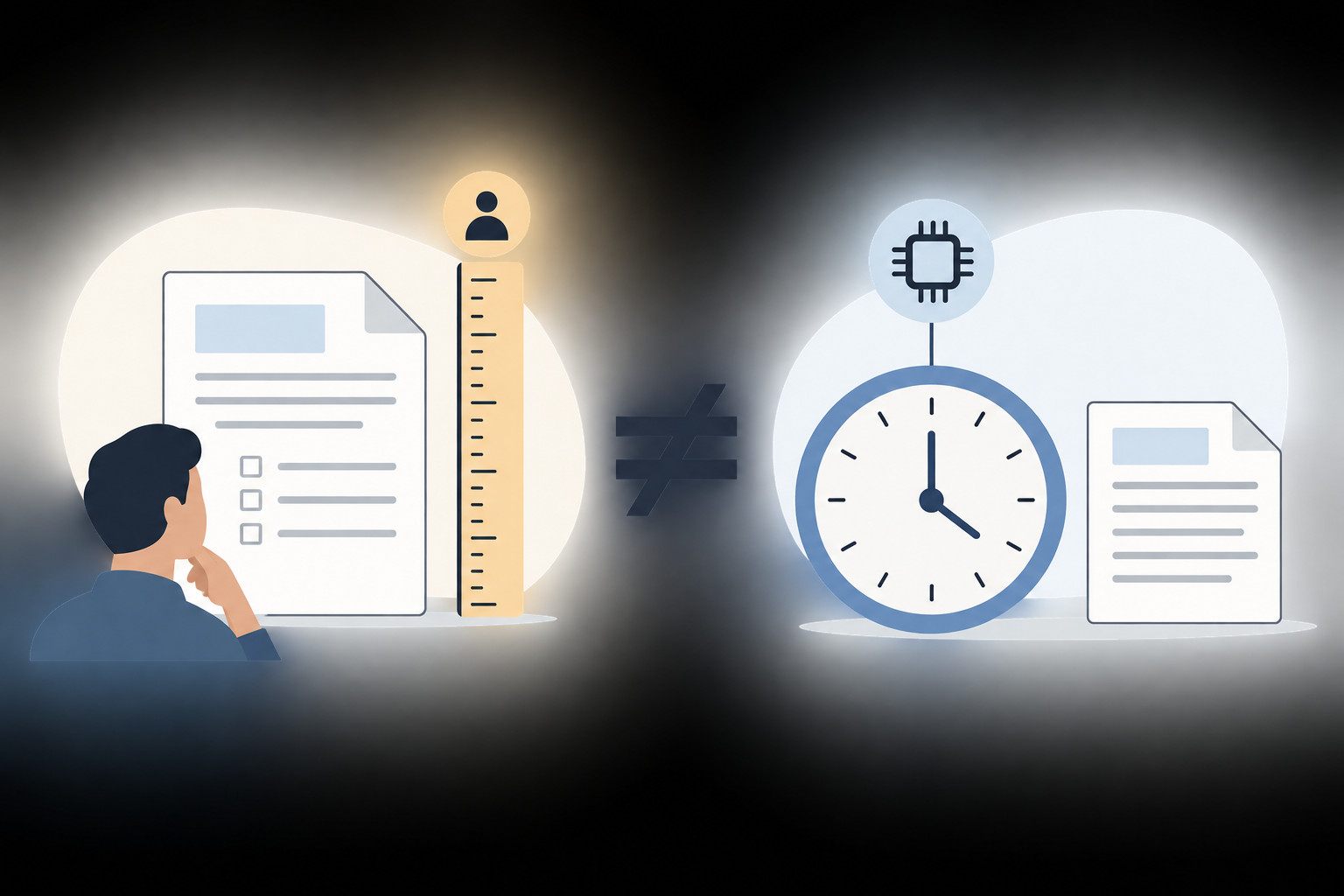
The restriction does not extend to every recording made using an AI tool. AI-assisted music will remain eligible when it is not entirely generated, according to reporting on the announcement. That distinction makes the policy narrower than a blanket prohibition on AI in music production, although the boundary for mixed human-and-machine work still needs clarification. (Ars Technica)
From withholding royalties to restricting distribution
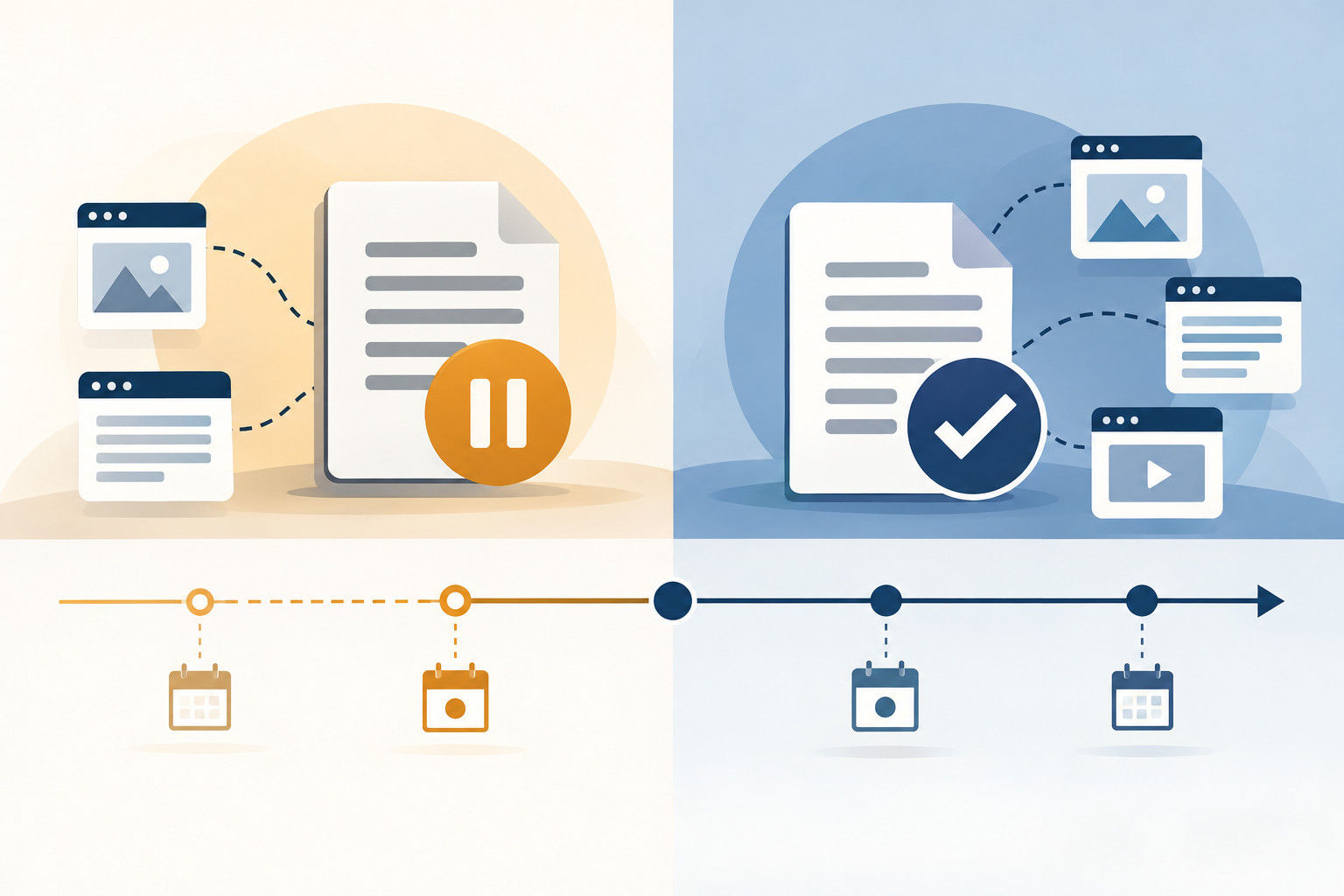
Tidal’s existing policy permits AI-generated music subject to its rules, identifies wholly generated recordings with labels and excludes them from royalty attribution. The announced change therefore concerns access to the platform itself, not simply how recordings are presented or whether they earn money. December 9 marks the start of the change, not a verified deadline for finishing every removal. (Tidal)
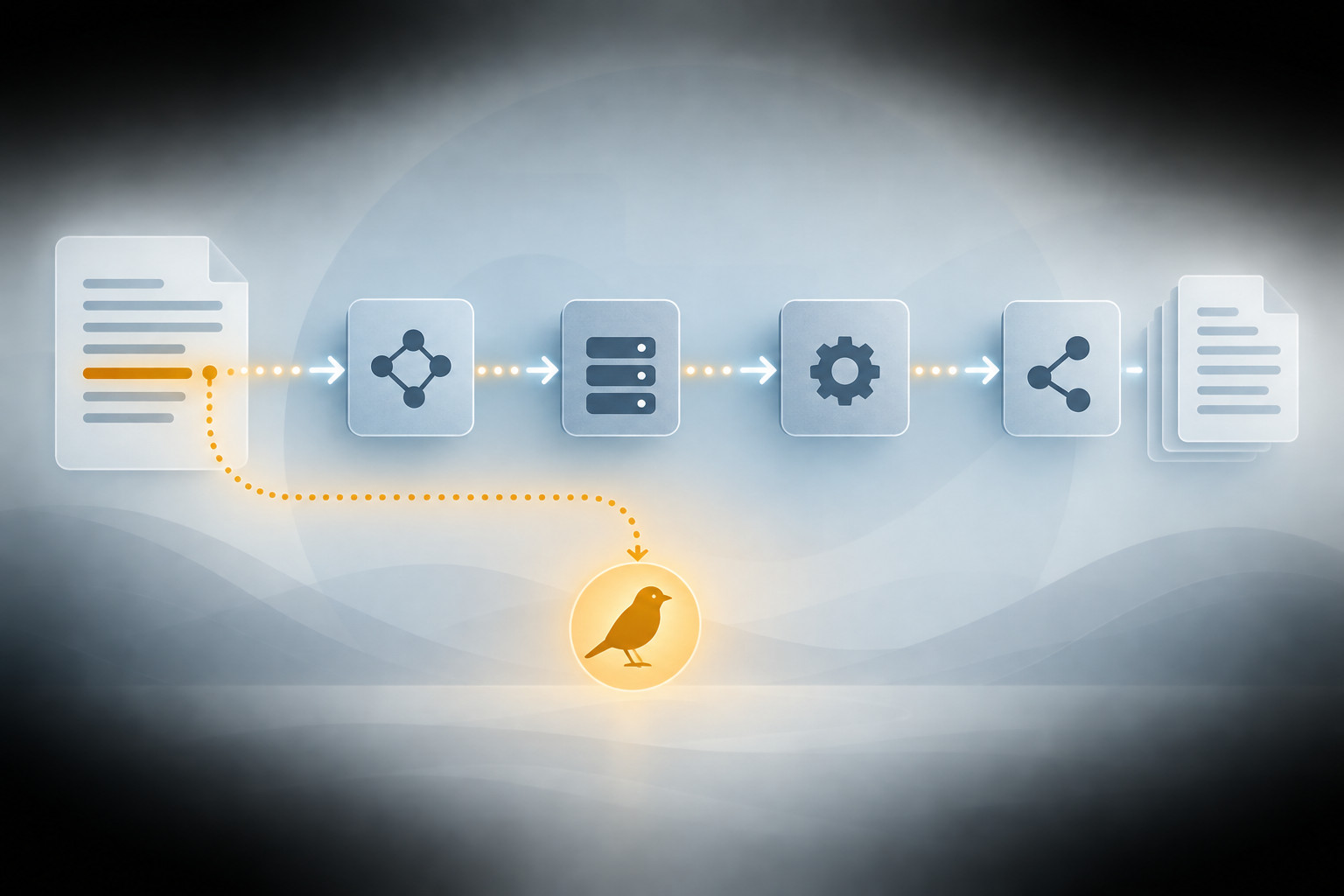
TechCrunch reports that distributors cannot deliver wholly generated tracks, and submissions identified as such in their metadata will be rejected. (TechCrunch)
The Verge reports that Tidal expects to reject approximately 80,000–85,000 tracks daily. That is a forecast, not an observed enforcement result or a daily catalog-deletion rate. The outlet also reports Tidal’s estimate that approximately 43% of tracks delivered over the preceding 90 days were AI-generated; the figure describes incoming deliveries, not the proportion of its entire catalog. (The Verge)
Tidal frames its approach as protecting human artists and the music listeners want to discover. Its existing policy prioritizes royalties for work directly produced, written and performed by people. Those statements establish the company’s objectives; they do not independently demonstrate how much the new ban will improve discovery or artists’ earnings. (Tidal)
What remains unresolved
The support notice establishes the start date, but explicitly says the material beneath it describes the policy in force before the change. That limits what can safely be inferred about December enforcement from the existing guidance. A confirmed ban is not, by itself, a complete account of how disputed classifications will be handled. (Tidal Support)
Questions still requiring clarification include how mixed human-and-AI recordings will be assessed, what evidence will resolve a disputed classification and how appeals will operate under the removal policy. The reviewed material does not establish the new regime’s detection accuracy or appeal turnaround times. An absence of those details should not be mistaken for proof that no review process exists. (Tidal Support)
Published accounts also differ on the scale of planned removals. This article omits catalog and deletion totals because their definitions and reference dates have not been reconciled through direct company confirmation. Treating differing estimates as interchangeable would risk confusing the catalog already identified with the number eventually removed. (Ars Technica)
Distributors face track-by-track decisions
In commentary published November 24, InterSpace Distribution’s InterSpace Daily argued that labels should assess individual finished recordings rather than rely on a release-wide description such as music made with AI. Its practical concern is that a broad description does not distinguish a fully generated recording from AI assistance in an otherwise human production. This is distributor commentary, not an additional Tidal requirement. (InterSpace Daily / InterSpace Distribution)
An existing policy from distributor Partum Arts Music illustrates the broader delivery challenge. Reviewed September 6, it accepts music involving AI for review but warns that availability, recommendations and monetization depend on each destination platform’s rules. Acceptance by a distributor therefore should not be read as a promise that every streaming service will carry a recording. (Partum Arts Music)
Upload volume is not listening demand
Other platforms’ disclosures provide context without establishing Tidal’s own audience behavior. In April, Deezer reported that fully AI-generated recordings represented roughly 44% of daily uploads but only 1%–3% of streams. It also said detected AI recordings were excluded from algorithmic recommendations and editorial playlists. These were Deezer’s measurements and policies at that time, not industry-wide findings. (Deezer)
That disparity highlights a useful distinction when assessing platform announcements: the volume of music arriving does not establish how much listeners consume. For Tidal’s forthcoming change, the central questions are whether the service can apply its fully generated versus assisted distinction consistently and explain contested decisions—not simply how many recordings it expects to reject. (Deezer)