The New York Times and the companies operating the New York Daily News, Chicago Tribune and Orlando Sentinel have sued Brave Software over alleged unauthorized collection and distribution of their journalism, according to reporting published by The Verge on November 2, 2026. The publishers’ allegations include selling AI companies access to copyrighted material. (The Verge)
The newspaper companies’ complaint, as described in that report, alleges that Brave monetizes its web index by charging AI companies for access to current online content. It describes potential downstream uses as training models, answering particular user questions, or both. Those allegations do not establish that every customer used the same material in the same way. (The Verge)
Brave did not immediately respond to The Verge’s request for comment, the outlet reported. No direct response to these lawsuits was obtained for this article, and no independent outreach was conducted. The complaints and court dockets have not been independently reviewed here; November 2 is the verified publication date of the reporting, not an independently confirmed filing date. (The Verge)
What the publishers allege
The publishers allege that Brave copied their material without permission or compensation, took steps to prevent them from blocking its access, and enabled readers to bypass paywalls without consent, according to The Verge’s account. The alleged browser access is a separate strand of the dispute from supplying content to AI developers. Neither allegation is an established finding of wrongdoing. (The Verge)
Anthropic, Perplexity, Mistral, xAI and Cohere are identified in the report as alleged recipients of copyrighted content through Brave. That identification alone does not establish that those companies are defendants in these actions, or show which articles any particular company received and how it subsequently used them. (The Verge)
Times spokesperson Graham James told The Verge that Brave had ignored repeated requests to stop conduct the publisher considers infringing. Separately, Perplexity communications chief Jesse Dwyer disputed the suit, referring to “disinformation in this suit.” The supplied statement did not identify the particular allegations he contested, and it was not a response on Brave’s behalf. (The Verge)
Collection is not the same as training
The allegations describe several stages rather than a single activity called “AI scraping”: collecting web content, organizing it in an index, supplying it to customers and using it in AI systems. Paywall bypassing concerns access to subscription material. The available account does not establish that all these activities formed one technical pathway for every article or customer. (The Verge)
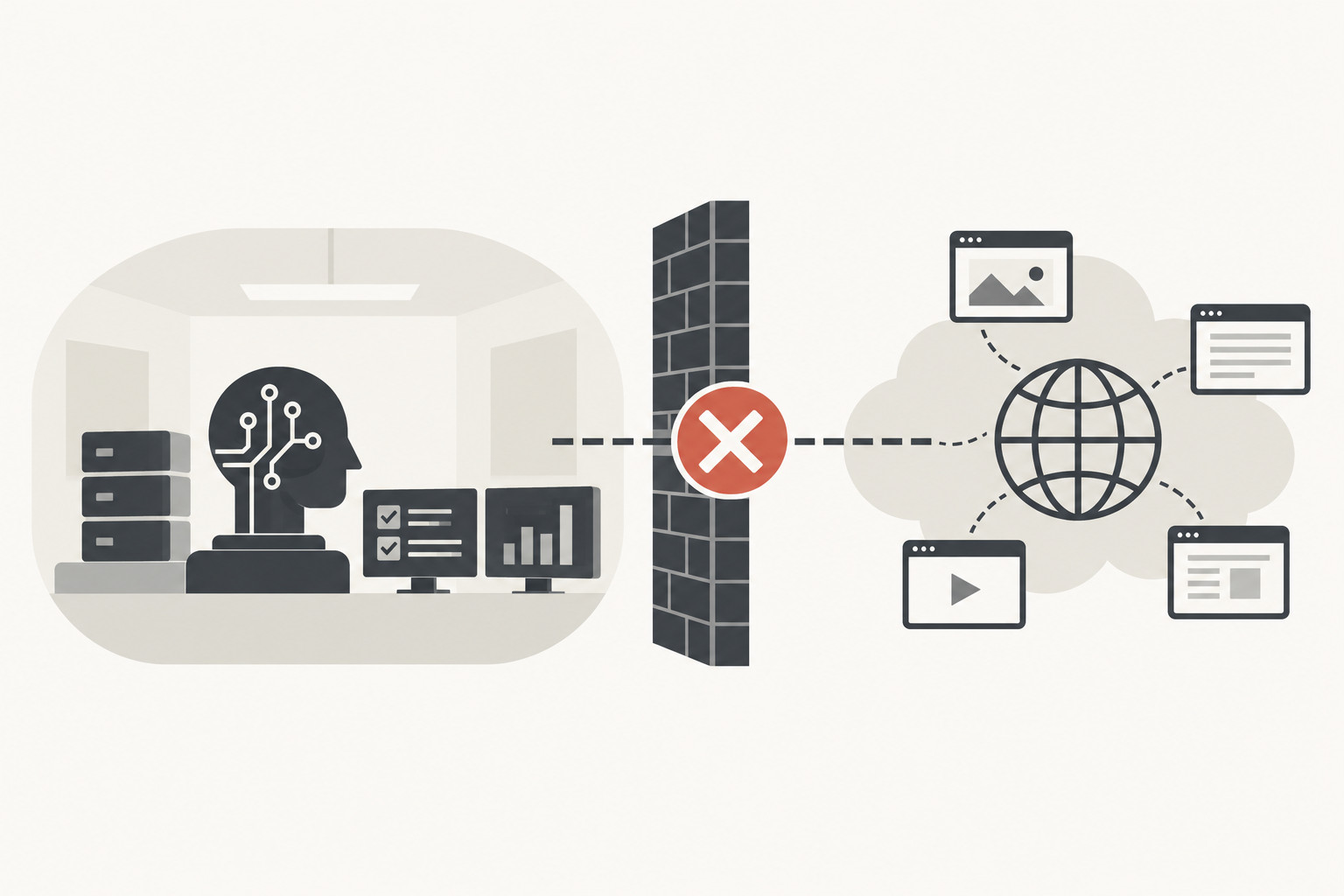
Retrieval also differs from training. The National Institute of Standards and Technology describes retrieval-augmented generation as pairing a model with a separate information-retrieval system. Relevant material is supplied alongside a user’s question to help formulate an answer, without requiring the model to be retrained. Consequently, an allegation about supplying material for answers should not automatically be described as an allegation that it entered model training. (National Institute of Standards and Technology)
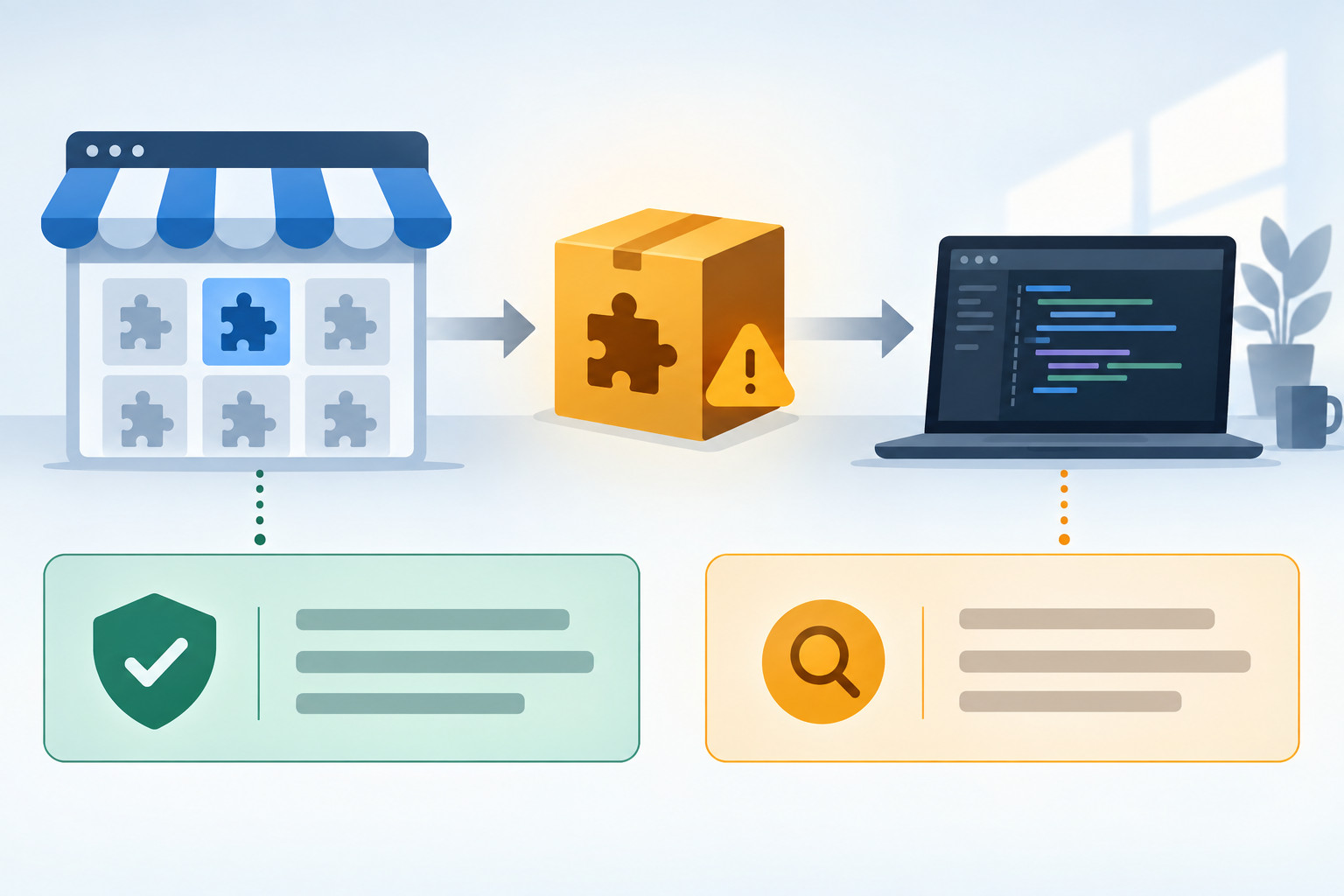
Brave’s own product announcement provides context for that distinction, without resolving the lawsuits. In February 2026, the company introduced its LLM Context API as a service supplying web information relevant to a question. It described ranking and packaging extracted information for language models, and separately offered an Answers service that returns responses alongside supporting web results. (Brave)
Those descriptions establish how Brave markets its services, not whether it had authorization to use any particular publisher’s work. They also help explain why the dispute is relevant beyond model developers: a business adding web-supported answers to an existing AI application can use a content service without training a new model itself. (Brave)
Access and content rights are separate questions
Brave’s public Search API terms, updated September 1, 2026, distinguish its services from third-party material. They acknowledge that search results can contain content belonging to others and that customers’ use may be subject to those owners’ intellectual-property rights. The terms also prohibit uses that infringe others’ rights. These provisions are contractual context, not a determination of the publishers’ claims. (Brave Search API terms of service)
For enterprise buyers, the practical implication is that permission to use a service should not be treated as proof of unrestricted rights to everything it returns. A meaningful assessment would distinguish access to the API, the intended use of returned material and the rights attached to that material. That is an inference from the contractual distinctions, not a finding about any named customer’s compliance. (Brave Search API terms of service)
The dispute also follows a related confrontation with News Corp. Reuters reported in July 2026 that News Corp had brought counterclaims accusing Brave of distributing and selling article content to AI companies. In that separate litigation, Brave argued that indexing, snippets and high-level summaries amounted to fair use. That previously reported position should not be substituted for an answer to the new lawsuits. (Reuters, syndicated by Investing.com)
The central unresolved issue is therefore not simply whether AI companies received web information. It is what Brave collected and supplied, what uses occurred, and whether those activities were authorized or otherwise lawful. The available reporting establishes the publishers’ accusations, but does not settle those questions. (The Verge)