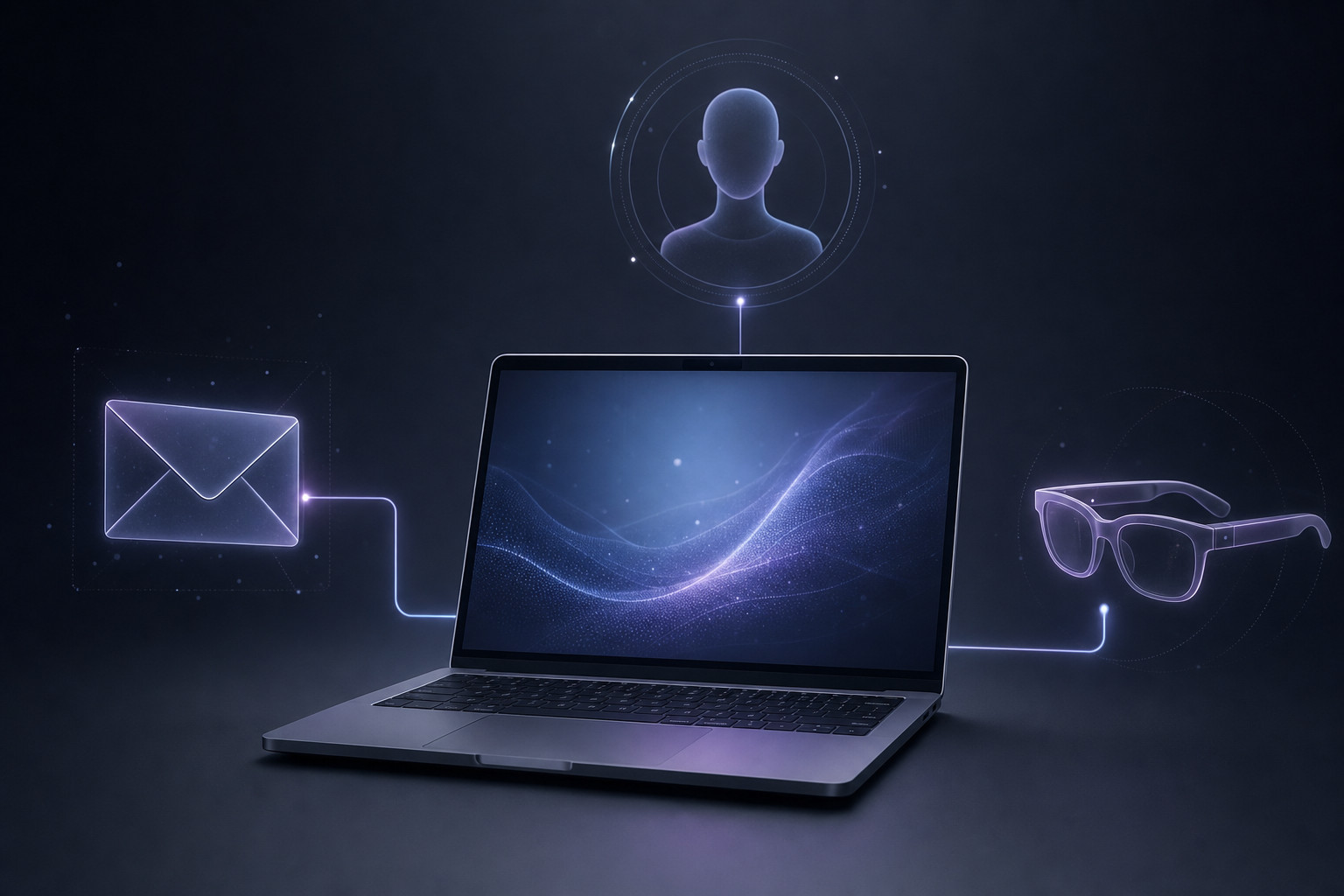
Meta has released open-source device software for connecting its Muse AI agent to homemade hardware, including ESP32 boards and Raspberry Pi computers. The release, reported on October 2, 2026, gives builders a starting point for physical interfaces such as reminder displays and small touchscreen gadgets. (The Verge)
The public repository contains ESP32 firmware and a Linux software development kit. These are tools for connecting hardware to Muse—not a release of the underlying AI model. That distinction matters for developers evaluating whether an open-source interface also gives them control over the service behind it. (Meta via GitHub)
Hardware and documented uses
The ESP32 software provides a route to connecting screens, audio hardware and sensors. Documented boards include a Waveshare round AMOLED touchscreen, M5Stack StickS3, AiPi Lite and Home Assistant Voice Preview Edition. Those examples establish concrete starting points, rather than a promise that every board or attached peripheral will work without modification. (Meta via GitHub)
Suggested projects include a color E Ink display for reminders and a compact touchscreen interface. Raspberry Pi 5 also appears among the featured projects. An HDMI stick intended to put Muse on a television is marked as coming soon, so it should not be counted as an available reference device. (Meta)
The Linux route targets Raspberry Pi and other Linux computers, with system administration and Home Assistant among the suggested applications. For builders, the distinction is between creating a dedicated physical interface and connecting the agent to a more general-purpose computer. Neither description constitutes independent testing of reliability or suitability for a particular deployment. (Meta via GitHub)
Setup also depends on access to Muse. The repository directs builders to obtain an SDK token and review the Gadget SDK Terms before flashing or pairing hardware. It describes pairing through the Muse app on iOS or Android, with Developer mode enabled. Downloading the code is therefore not the same as having a functioning, connected device. (Meta via GitHub)
Open-source code, separate service permissions
The repository’s license confirms Apache 2.0 licensing for the SDK code. Its licensing notice also identifies exceptions: third-party components retain their own licenses, and the Jollybot avatar is excluded from the Apache grant. Builders should not treat all software, artwork and associated assets as carrying identical reuse permissions. (Meta via GitHub)
Additional service-access context comes from Meta’s published token terms. These distinguish rights to the source code from permission to access Muse through it: the source-code license does not itself confer rights to SDK tokens. The terms describe token use as personal and non-commercial, an important qualification for professionals considering products rather than hobby projects. (Meta)
Those terms also say the SDK and tokens are not a supported product or developer platform and may change or be withdrawn. The practical implication is that an organization cannot infer a supported commercial offering simply from the availability of an Apache-licensed repository. Code access and continuing service access are separate questions. (Meta)
This distinction does not make the device code closed source. Rather, it limits what can be concluded from its license: permission to modify software is not evidence that the model can run independently on the gadget, or that the associated service is available without conditions. The release is best understood as an opening of the device software, not of the entire AI system. (Meta)
Home Link is a separate offering
Alongside the DIY software, Meta is offering its own Home Link gadget for connecting Muse with compatible equipment on a home network. The website describes community-built skills for tasks such as controlling lights or a television and sending documents to a printer, with functionality dependent on the user’s setup. (Meta)
The site lists Home Link as free for active Muse subscribers in the United States, limited to one per subscriber, with shipping planned for October. That is an availability announcement, not confirmation that devices have reached customers. Home Link should also be distinguished from the third-party boards builders can use with the software. (Meta)
A wider choice of physical interfaces
The broader home-automation ecosystem illustrates why hardware and AI-service choices need separate evaluation. In an October 22, 2025 update, Home Assistant described using different wake words on the same voice satellite for a fully local, basic-command assistant and a separate pipeline using external services and an LLM. (Home Assistant)
That comparison is not evidence of equivalent capabilities in Muse. It shows that a physical interface alone says little about where intelligence runs or which services are required. Home Assistant explicitly keeps AI optional; Muse’s gadget release instead provides interfaces to its agent. For builders, the useful comparison is therefore not just screen versus speaker, but the service dependency behind each interaction. (Home Assistant)