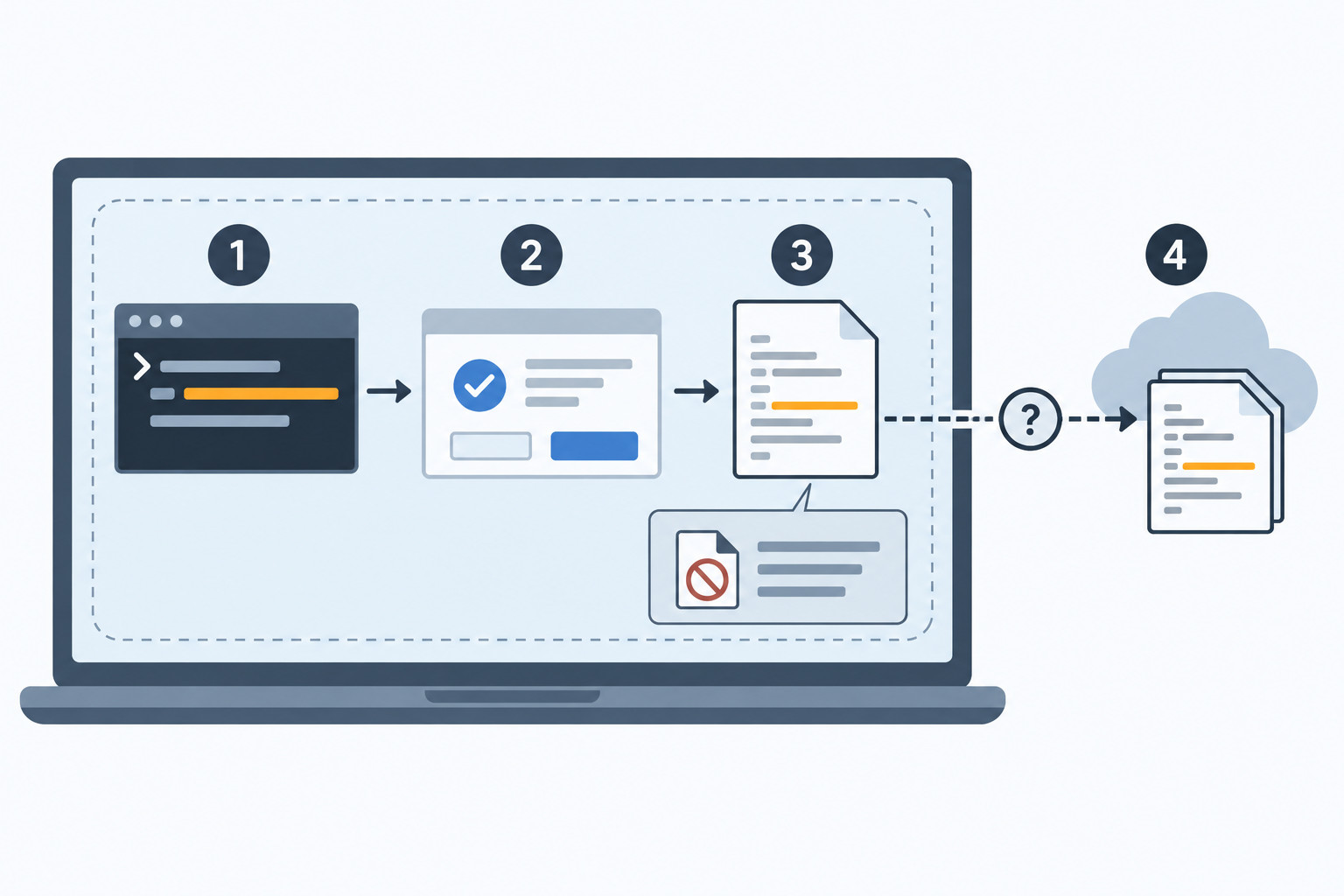
Democratic and Republican lawmakers are pressing for tighter restrictions on advanced AI-chip exports and demanding congressional testimony from Nvidia figures, The Verge reported on November 15, 2026. The push combines oversight demands with proposed legislation aimed at limiting China’s access to advanced computing. (The Verge)
The legislative effort covers four distinct areas: congressional oversight of exports, verification of chip locations, controls on chipmaking equipment and restrictions on remote access to overseas computing. Reuters identified four bills attracting support, while reporting that lawmakers were considering the annual defense authorization bill as a route for advancing restrictions. Its account does not establish that those proposals have become enforceable rules. (Reuters via AsiaOne)
For AI developers and infrastructure buyers, those distinctions matter. The proposals address different questions: whether hardware can be exported, whether its location can be verified, whether equipment can support chip production, and whether customers can use computing capacity remotely. Taken together, their scope suggests that the debate reaches beyond shipments of finished processors to the wider infrastructure through which AI computing becomes available. (U.S. Senate bill text via GovInfo)
Oversight requests are separate from export restrictions
The Verge reported that Chuck Schumer demanded answers from Jensen Huang and the Trump administration, and that Tim Scott sent letters to Huang and Howard Lutnick. November 15 is the report’s publication date, not an established date for all the underlying congressional actions. (The Verge)
Independent reporting provides corroboration for the oversight push. The Associated Press reported Schumer’s demand for congressional answers on November 12, while ABC News reported Scott’s requests for testimony from Huang and Lutnick on November 13. Those accounts support the existence of congressional scrutiny, rather than demonstrating a change in export permissions. (Associated Press)
In additional reporting on the response, ABC quoted a Commerce Department spokesperson saying Lutnick had agreed to appear voluntarily before the Senate Banking Committee. That is an attributed department response concerning testimony; it is not an announcement of a new chip-export policy or evidence that a hearing has already occurred. (ABC News)
Four proposals address different routes to computing
Export oversight: AI Overwatch Act
The AI Overwatch Act would give Congress greater influence over advanced AI-chip exports, according to Reuters. Separately retrieved Senate bill text confirms that the proposal concerns licensing for covered integrated circuits. Its significance for suppliers is the proposed expansion of statutory oversight, not a demonstrated change to any particular customer’s permission to receive chips. (Reuters via AsiaOne)
Chip-location verification: Chip Security Act
The Chip Security Act addresses verification of where advanced processors are located, with the aim of preventing diversion and smuggling. The Congressional Budget Office’s assessment describes the legislation as modifying existing export controls through security measures in the chip supply chain. That makes it a different policy question from whether an export should receive approval in the first place. (Reuters via AsiaOne)
Manufacturing equipment: MATCH Act
The MATCH Act concerns the equipment used to manufacture semiconductors. Reuters describes it as an effort to pressure allies to restrict sales and maintenance of advanced chipmaking equipment destined for China. The retrieved House bill text confirms its focus on semiconductor manufacturing equipment and components, rather than only finished AI processors. (Reuters via AsiaOne)
Remote computing: Remote Access Security Act
The Remote Access Security Act addresses access to computing without physical possession of the hardware. Its stated legislative purpose is to extend export-control authority to remote access. For cloud providers and customers, the central implication is that the location of a processor and the location of its user are separate policy questions. That is an interpretation of the proposal’s scope, not a finding that a particular cloud service is now prohibited. (U.S. Senate bill text via GovInfo)
Existing policy provides a different baseline
For context, Commerce announced a concrete licensing-policy change on January 13, 2026. The Bureau of Industry and Security said applications for Nvidia H200, AMD MI325X and similar chip exports to China would receive case-by-case review when specified security requirements were met. That announcement described agency action, unlike a lawmaker’s demand or an introduced bill. (Bureau of Industry and Security)
The corresponding Federal Register rule was published on January 15. This historical baseline should not be treated as an exhaustive account of every restriction applicable in November, but it illustrates why reporting must distinguish an operative regulatory document from political support for further controls. A proposal’s title alone cannot establish what a supplier may export. (Federal Register via GovInfo)
Implementation would also require government resources. In its May 1 assessment of the Chip Security Act, the Congressional Budget Office estimated that additional regulatory, licensing, enforcement and reporting work would require the equivalent of 10 full-time employees. It estimated compensation costs of $12 million over 2026–2031, subject to appropriations—an indication that stronger controls involve administrative capacity as well as legislative language. (Congressional Budget Office)
What remains unverified
The retrieved material establishes a substantive policy debate and corroborated oversight requests. It does not resolve every bill’s current legislative status or provide a complete November regulatory baseline. Scott’s original letters and a direct Nvidia response to the specific requests were not obtained. Those gaps prevent a definitive account of new obligations or confirmed appearances; the proposals should therefore remain clearly labeled as proposals.