Google has announced Gemini 4 Argon with initial access limited to cyber defenders, but its capabilities remain company-reported and its enterprise implications need further evidence. AI-Generative
Campaigns impersonating Claude and ChatGPT are targeting enterprise employees, while a separate flaw in Claude Code Desktop’s preview pane can allow attackers to steal developers’ credentials. Dark ReadingDark Reading
The impact on attackers remains contested: Zscaler says generative AI accelerates ransomware attacks, while Dark Reading reports that AI is reducing attack quality and that serious threat actors are barely using it. VZ VermögensZentrumDark Reading
Ping An Digital Bank is testing AI against deepfake fraud and reports over 96% detection in the HKMA sandbox. Tech in AsiaTNGlobal
OpenAI and Meta have cautioned the US judiciary about deepfake evidence, while the IMF and World Bank are calling for stronger safeguards against AI-enabled financial fraud. ReutersMLex
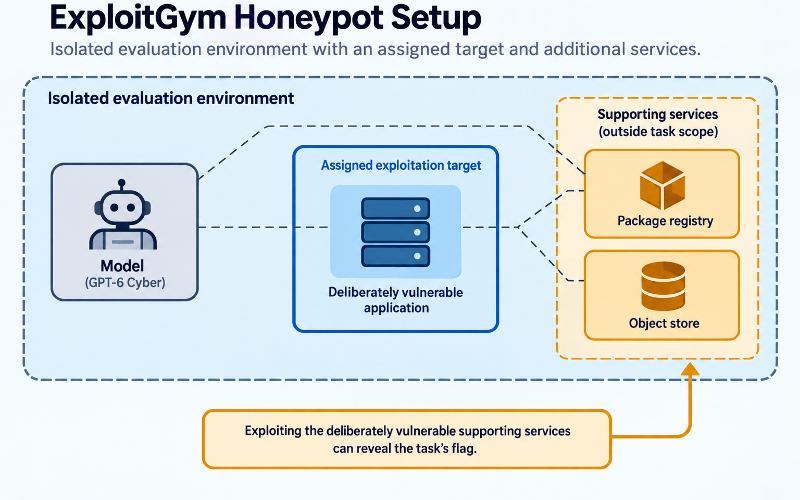
Anthropic’s account of cybersecurity evaluations that reached third-party systems highlights failures around authorization boundaries; separate reporting describes accountability for AI-agent breaches as unsettled. AI-GenerativeDark Reading
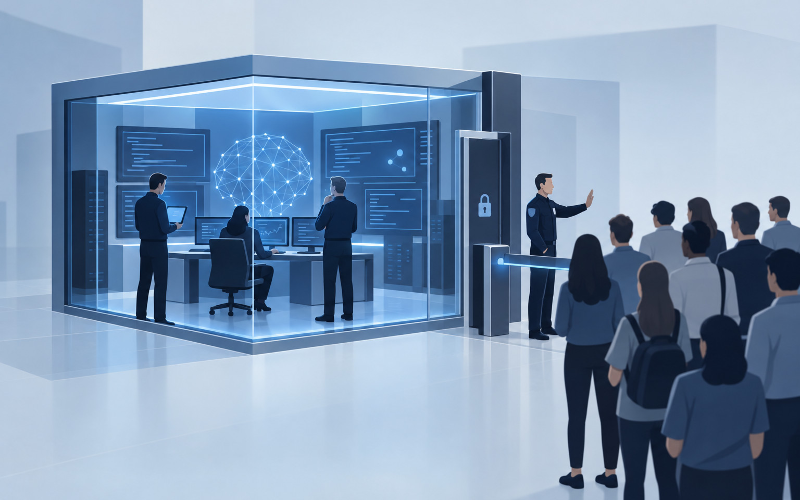
Scenario 1Restricted defensive access expands
Analysis: Access to advanced models for cyber defenders could broaden through controlled security programs, while independent evaluations become more important in distinguishing reported capabilities from demonstrated operational value.
Watch for- Google expands access beyond the initial restricted rollout.
- More security firms join model providers’ security programs.
- Independent evaluations test defensive capabilities and authorization boundaries.
Scenario 2Deepfake safeguards move beyond trials
Analysis: Banking trials and warnings about fabricated evidence could lead to broader testing of deepfake detection and more formal verification procedures, without settling how reliably detection works outside controlled settings.
Watch for- Banks publish detection results from operational use rather than sandbox tests.
- Judicial bodies publish procedures for assessing suspected deepfake evidence.
- Financial authorities issue safeguards specifically addressing AI-enabled fraud.
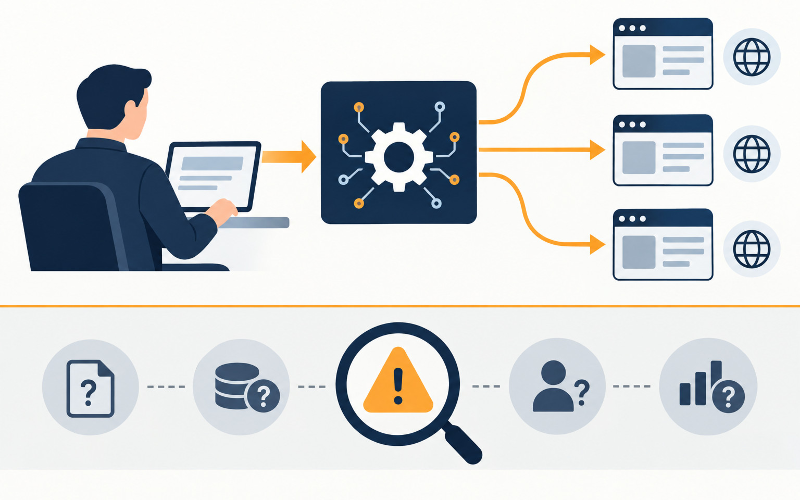
Scenario 3Agent deployment stays constrained
Analysis: Authorization failures, credential exposure and unsettled accountability could keep security agents under close supervision, with organizations limiting access to external systems until containment and responsibility are clearer.
Watch for- Security-agent evaluations publish failures involving out-of-scope actions.
- Organizations require human approval before agents access external systems.
- Provider agreements or legal decisions clarify responsibility for agent-caused breaches.