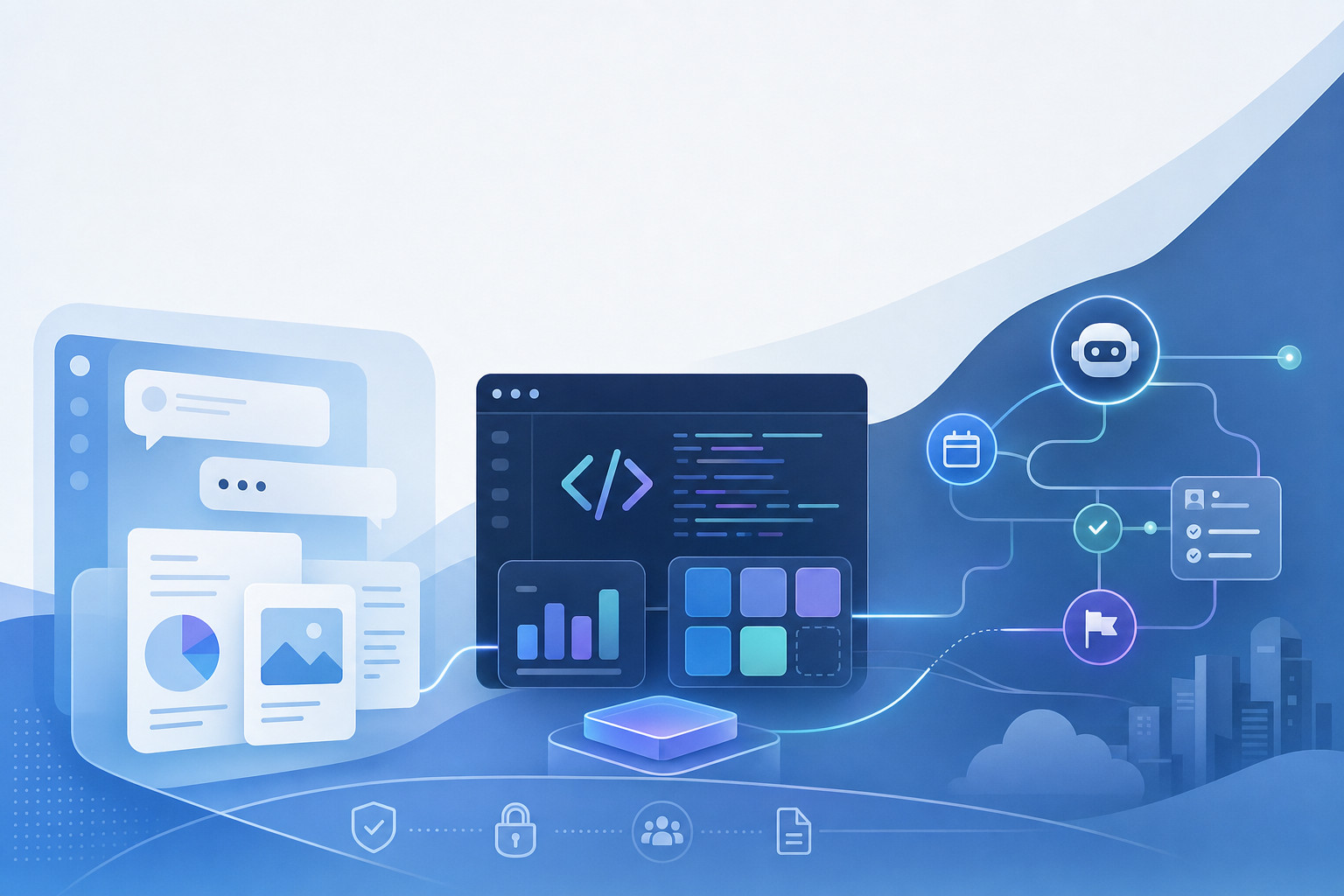
Slack has launched Slack Code, a feature that creates dedicated, project-specific Slack channels for work carried out with AI coding agents. The product is intended to turn agent-assisted coding from an activity that typically happens in a developer’s private terminal, IDE or browser session into a shared workflow where teammates can provide context, monitor progress and review outputs.
A temporary channel for each coding task
The workflow begins when a user mentions a supported coding agent in an existing Slack conversation or direct message. Slack says the agent can then create a temporary code channel for the task, bringing in relevant people and assembling work artifacts such as a planning document, code diff or live HTML preview. The company describes the channel as a focused space for a specific coding session or project rather than a replacement for a team’s general-purpose discussion channels. (Slack)
Inside that channel, participants can communicate normally while also interacting with the agent and examining its output. Computerworld reported that Slack Code surfaces session artifacts including code diffs, Slack canvas documents and live HTML prototypes or previews. That arrangement puts the surrounding discussion next to the proposed changes, potentially giving product managers, designers and engineers a common place to clarify requirements before work reaches a later review stage. (Computerworld)
When the work is complete, the code channel is automatically archived, while its context remains searchable in Slack, according to Slack’s product page and launch post. Slack frames that retained record as a way to preserve the reasoning, feedback and materials attached to a coding task after the active collaboration ends. The company also says the experience is built around human review and sign-off rather than autonomous shipping by the agent. (Slack)
Launch partners and availability
Slack’s official launch announcement says it is starting with partners Anthropic, Cognition, GitHub, OpenAI and Vercel. Computerworld, describing the initial integrations more specifically, named Claude Code, Devin, GitHub Copilot and Vercel, and reported that Slack Code is available at no additional cost across Slack subscriptions. The difference in how the two accounts describe the launch ecosystem makes the partner list clearer than any definitive, product-by-product statement about every agent configuration available on day one. (Slack)
Bringing coding-agent work into the collaboration workspace
For organizations, the central change is less about a new underlying coding model than about where AI-agent work is coordinated. Many teams already discuss software requests in Slack before handing them to developers, who may use separate coding tools and then return with a pull request or finished result. Slack Code attempts to keep more of that request, iteration and review cycle in the collaboration workspace itself. InfoWorld reported that Salesforce sees the model as a way to reduce handoffs among the people involved in moving an idea from request to working code. (InfoWorld)
That visibility may be useful for tasks in which non-engineering input materially affects the outcome, such as a web-page update, an internal prototype or a narrowly defined bug fix. It could let a designer flag a mismatch in a preview or a product manager correct an assumption while the agent is still working, rather than after a developer has completed a separate session. This is an operational promise, not a guarantee: the benefit will depend on the quality of the task definition, the agent’s repository access and the review practices an organization already uses.
Governance and workflow questions
Governance remains a key question for engineering leaders evaluating the feature. Computerworld reported that code channels follow Slack’s existing security and permissions model, and that administrators can set guardrails, including requiring engineering review before non-technical employees ship code. But shared visibility in a Slack channel does not by itself resolve access-control design. Organizations will still need to decide what an agent can see, which people may direct it, and how Slack channel membership should relate to source-code and deployment permissions. (Computerworld)
The channel-per-task design also introduces a possible management cost. InfoWorld noted that, at large enterprises, creating a new channel for every coding task could add notification and workspace-management burdens. Its reporting also highlighted a likely hybrid model: shared code channels may be best suited to smaller, visual or cross-functional work, while complex refactoring, debugging and performance work may continue in more private developer-agent sessions. (InfoWorld)
Beyond software development
Slack is positioning software development as the starting point rather than the endpoint for the approach. Its launch post says the same collaborative model could eventually extend to work such as marketing campaigns, legal contract reviews and IT onboarding. For now, Slack Code is a test of whether teams want the growing volume of AI-assisted coding work to be visible in the same workspace where requirements, decisions and approvals are already discussed. (Slack)