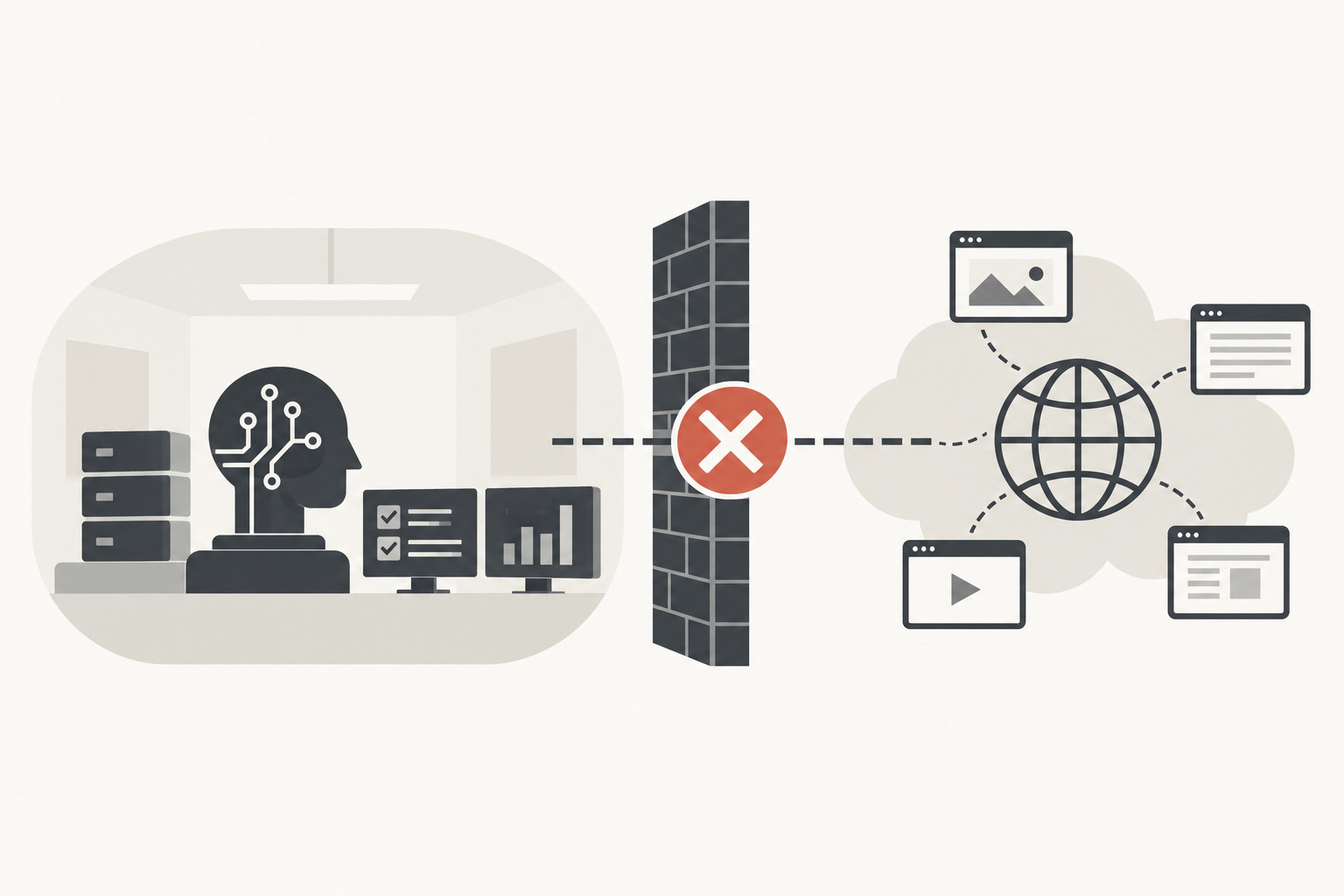
Nvidia’s agreement to acquire Hugging Face for $12.93 billion is not simply a large AI transaction. It would put a widely used destination for discovering, sharing and deploying models, datasets and applications under the ownership of the company that sits at the center of much of the AI-compute market. Nvidia’s public commitment is clear: Hugging Face will remain open, developers will retain their choice of models, frameworks, clouds, inference providers and computing platforms, and Nvidia compute will not be required. The harder question is how that pledge will be experienced over time by the platform’s users.
A platform at the center of open AI development
For builders, Hugging Face’s importance lies in its position between model creation and real-world deployment. The company says more than 18 million developers, researchers and creators use the platform, which hosts more than 3 million models, 500,000 datasets and 1 million applications. More than 200,000 companies use it to discover, evaluate, customize and deploy AI. That scale means choices made in the platform’s governance, discovery systems and supported tooling can have effects far beyond a single vendor’s products.
Nvidia is promising continuity on the points most likely to concern that community. Its announcement says Hugging Face will remain an open platform where developers can choose models, frameworks, cloud and inference providers, and computing platforms; Nvidia compute will not be required. Nvidia also says the platform will continue to support open-source and open-weight models from across the ecosystem, along with multi-cloud and multi-accelerator development and deployment.
The question of practical neutrality
Those commitments matter because they address the core risk created by the deal: not necessarily that Nvidia would immediately restrict access, but that an infrastructure layer valued for broad compatibility could gradually become shaped by the commercial priorities of its owner. Nvidia is not only a hardware supplier; it sells software, systems and services that help customers train and run AI. Owning a major developer platform brings it closer to the places where builders select models, assess tools and move projects toward deployment.
That does not make a loss of neutrality inevitable. Nvidia argues that it can supply the infrastructure, engineering capacity and global reach needed to improve Hugging Face’s reliability, safety, model evaluation, inference and deployment capabilities while preserving the open ecosystem. Hugging Face CEO Clément Delangue has similarly framed the moment as one in which open-source AI needs greater compute, support, collaboration and visibility. For a platform serving a rapidly growing mix of individual developers, researchers and enterprises, those resources could improve the practical availability of open AI rather than diminish it.
Why the deal fits Nvidia’s strategy
The attraction for Nvidia is also strategically coherent. Open and open-weight models give organizations alternatives to relying exclusively on proprietary AI services, including the ability to customize models for particular workloads and run them in environments of their choosing. Nvidia has already been a significant contributor to Hugging Face, with more than 500 models and 250 open datasets published on the platform, according to Nvidia. The acquisition would deepen a relationship that already connected Nvidia’s compute and software ambitions to the open-model community.
Outside observers are focusing on the tension between scale and independence. The central question is whether ownership by a major AI-compute supplier can coexist with the platform’s stated commitment to broad model, cloud and hardware choice. Maintaining that practical openness will be important to preserving developer trust.
What developers will watch
The most meaningful signals will therefore be behavioral rather than rhetorical. Developers will watch whether competing hardware, clouds and inference services remain equally usable; whether models from a wide range of creators remain easy to find and deploy; and whether decisions about platform direction continue to reflect the needs of an ecosystem broader than Nvidia’s own product portfolio. These are not binary tests. A platform can remain technically open while becoming less neutral in the practical choices it foregrounds, funds or integrates most deeply.
The proposed acquisition has not closed. Nvidia announced the agreement on September 3 and expects the transaction to close in the first half of 2027, subject to customary closing conditions and required regulatory approvals. That interval will give regulators, customers and the open-model community time to scrutinize the transaction’s consequences.
A promise to be tested in product decisions
For now, Nvidia has made an unusually direct promise: its compute will not be required to build on or deploy through Hugging Face. If that commitment holds in product decisions as well as principle, Nvidia could use its resources to make open-model development more capable and accessible without turning a shared ecosystem into a captive channel. If it does not, the deal may become a defining example of how AI’s open layers can be consolidated even while remaining nominally open.